

Combat Trauma and Civilian Life: The Transition Is Hard
Boston-Based | Virtual Therapy for Men Across Massachusetts
You Survived Combat. Now Civilian Life Feels Harder.
Combat wasn’t the hardest part for many veterans. It’s coming back home after combat that’s brutal. You left behind a world where every decision mattered, where your brothers had your back, and where your role was crystal clear. Now you’re expected to switch it off and “fit in” as if nothing happened.
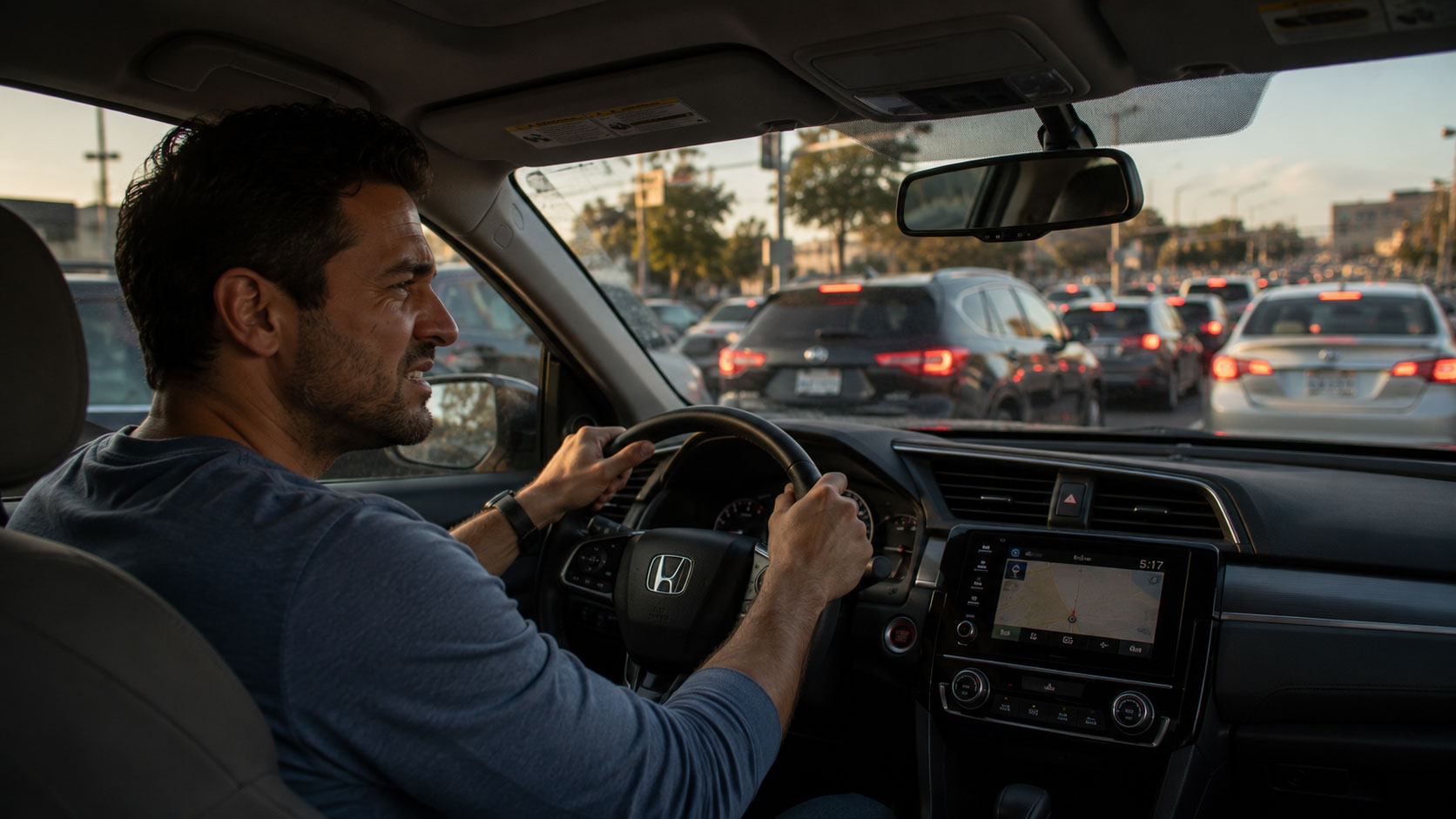
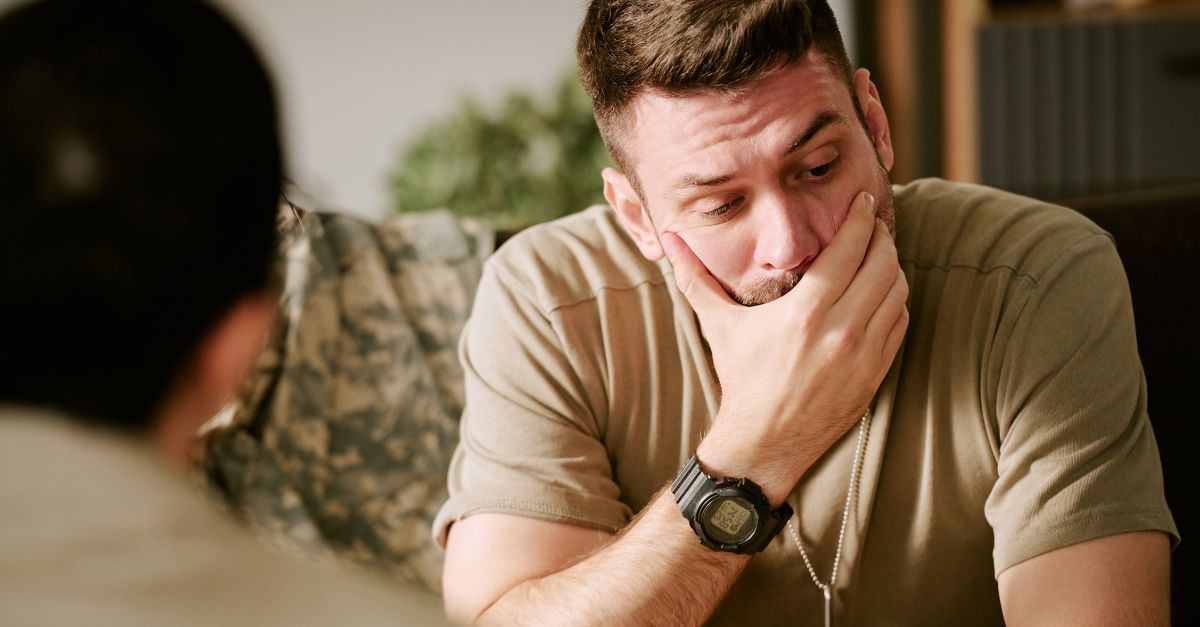
But combat leaves its mark. There are nightmares, flashbacks, and uncontrollable anger you can’t explain. Feeling disconnected from people who don’t understand what you’ve seen, what you’ve been through. How could they?
For many men, the transition from combat to civilian life is harder than anyone prepares you for.
Why Civilian Life Feels So Different After Combat
1. Loss of Brotherhood
In combat, you had a team. You trusted them with your life, and they trusted you with theirs. Now, civilian life feels isolating without that deep bond.
2. Loss of Purpose
In uniform, your mission was clear. You knew it, and knew it well. Back home, you may feel adrift, questioning your sense of meaning and direction.
3. Hypervigilance
In combat, scanning for threats kept you alive. In civilian life, scanning never turns off, leaving you tense, restless, and unable to relax.
4. Unseen Injuries
Trauma, brain injury, or moral injury aren’t visible like a broken bone, but they impact daily life just as much. Oftentimes, even more.
5. Cultural Disconnect
Explaining combat to civilians who haven’t experienced it often feels impossible and frustrating. So you stay silent while everything inside festers without release.
Common Trauma Symptoms in Veterans
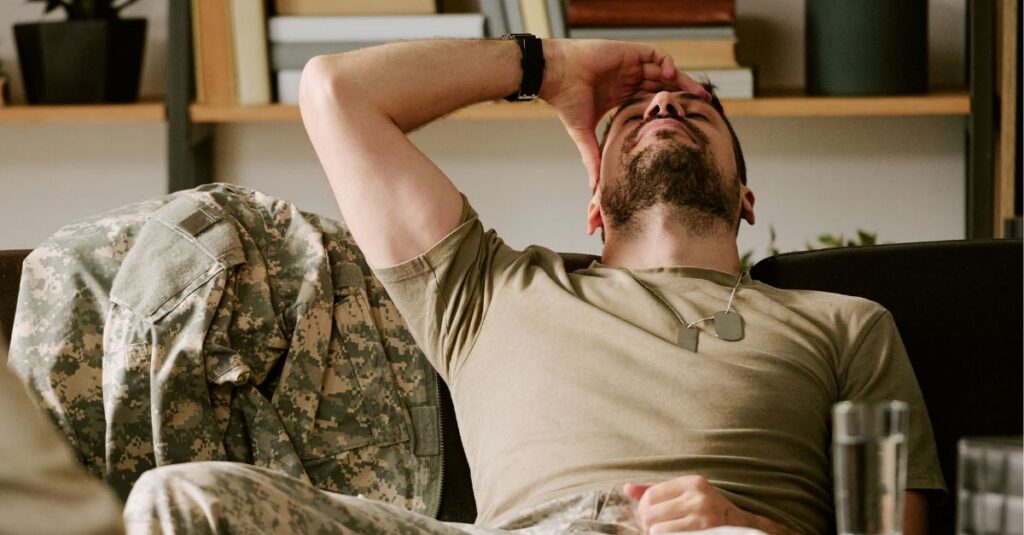
Combat trauma doesn’t always look like Hollywood movie flashbacks. In men in particular, it often shows up as:
- Irritability or anger over small things
- Nightmares, insomnia, or waking in a sweat
- Avoidance of crowds, loud noises, or reminders of combat
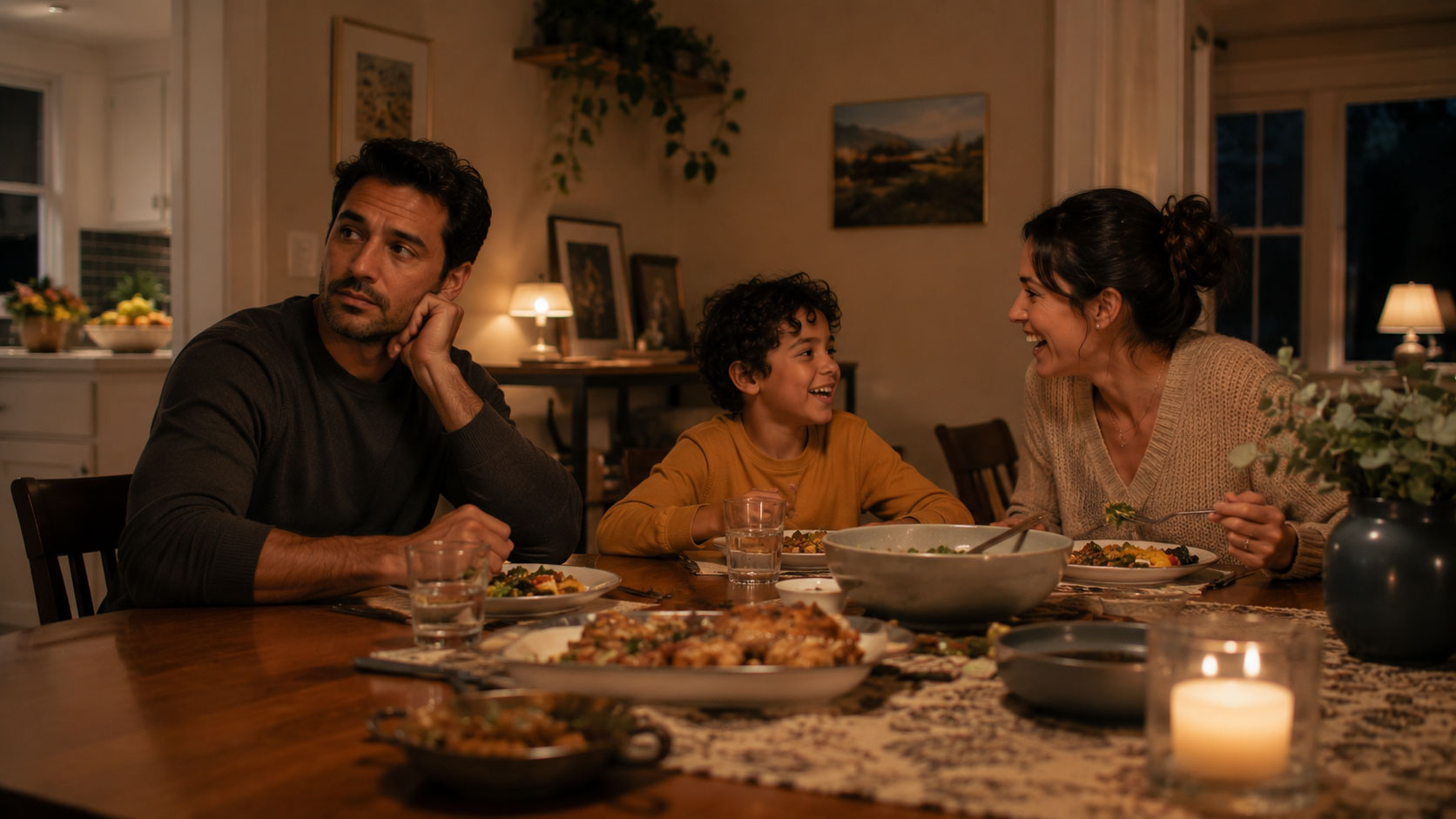
- Withdrawal from family, partners, or kids
- Feeling disconnected, restless, or like you don’t belong
- Quiet shame or guilt about what happened or what didn’t.
If this sounds familiar, please know it’s not a weakness. It’s your body and mind that are still carrying the sense of combat.
The Cost of Ignoring Combat Trauma
When men try to bury trauma instead of addressing it, the consequences ripple:
- Relationships: Emotional distance or anger pushes partners and kids away.
- Work: Difficulty focusing, irritability with coworkers, or lack of motivation.
- Health: Chronic stress, high blood pressure, and sleep disruption.
- Self-Worth: Guilt, shame, or hopelessness sometimes grow, leading to depression or suicidal thoughts.
You fought to protect everyone else. Now it’s time to fight for yourself.
Why Veterans Delay Getting Help
- Military Culture: Asking for help feels like weakness.
- Pride: You’ve survived worse — so why admit you’re struggling now?
- Mistrust: Fear of not being understood by civilians or therapists.
- Silence: Talking about trauma feels impossible, so you bury it.
But untreated trauma doesn’t stay buried. It leaks into every part of your life.
Tools Veterans Can Use to Ease the Transition
1. Keep Structure
Civilian life can feel aimless after military order. Create routines for sleep, exercise, and goals to anchor yourself.
2. Connect With Other Veterans
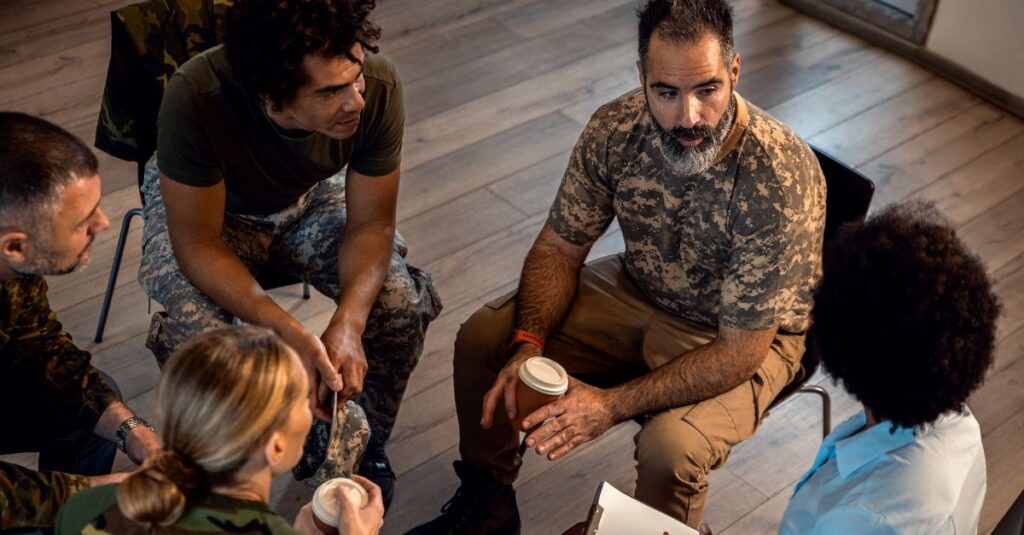
Peer groups reduce isolation. Talking with men who’ve been there reminds you you’re not alone.
3. Grounding Practices
When hypervigilance spikes, use grounding: 5 things you see, 4 you feel, 3 you hear, 2 you smell, 1 you taste. It pulls you back to the present.
4. Exercise
Physical activity burns stress hormones and reconnects you to your body. Even a daily walk makes a difference.
5. Seek Specialized Counseling
Veterans need therapists who understand military culture, trauma, and the unique challenges of reintegration.
How Counseling Helps Men With Combat Trauma
At MisterHealth, we help veterans across Massachusetts:
- Process combat trauma safely, at your pace.
- Learn tools to calm hypervigilance and manage triggers.
- Reduce anger and irritability with partners and kids.
- Break cycles of drinking or numbing.
- Rebuild trust and connection in relationships.
- Find clarity and purpose in civilian life again.
Why Veterans Work With MisterHealth
- Therapy Built for Men. We understand how combat trauma shows up in veterans — irritability, anger, withdrawal, shame.
- Boston-Based, Statewide Access. Virtual sessions available anywhere in Massachusetts.
- Private & Confidential. Secure online therapy, no stigma attached.
- Led by Dr. Michael Stokes. Licensed therapist with years of experience supporting veterans and men with PTSD.
Serving Veterans Across Massachusetts
MisterHealth provides virtual combat trauma and PTSD counseling statewide:
Boston • Worcester • Springfield • Cambridge • Lowell • Quincy • Brockton • Lynn • New Bedford • Fall River
Office Address (for SEO & mailing):
198 Tremont St, Boston, MA 02116
You Belong
Picture sleeping through the night without nightmares. Walking into a crowded room without panic. Sitting with your kids and actually feeling present. Finding purpose and identity again outside of combat.
That’s what trauma counseling can help you build.