

Why Men Struggle to Be Present
Serving Men Across Massachusetts & Connecticut | In-Person & Virtual Therapy
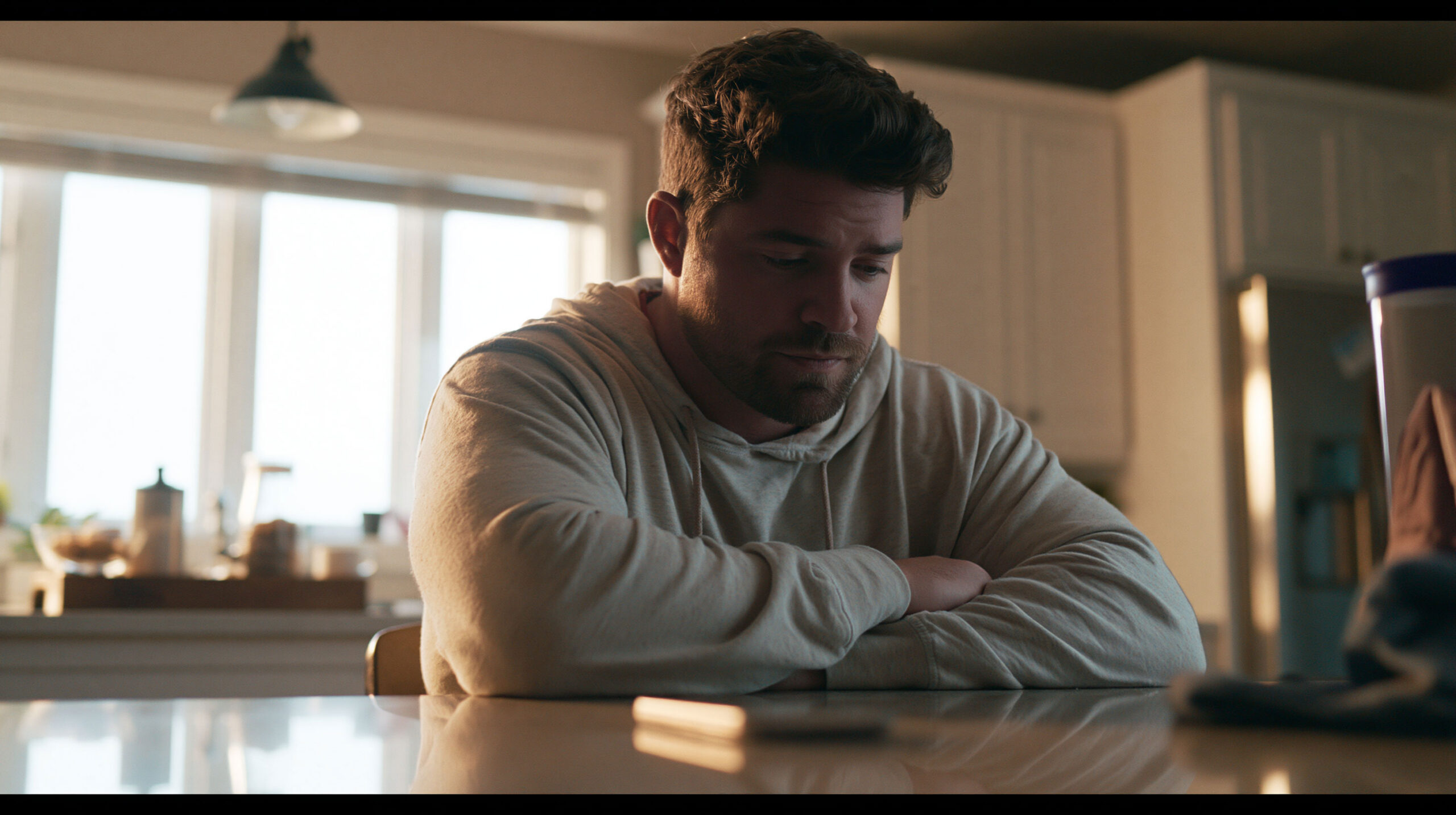
Your body is here, but your mind is somewhere else.
You’re at dinner with your partner, but your brain is thinking about tomorrow’s meeting at work. You’re tossing a football with your kid, but you’re worrying about the bills. You’re at the gym, but you’re replaying all of yesterday’s mistakes.
Overthinking is the reason presence feels impossible. Instead of living in the moment, your mind runs in loops about the past or the future, leaving you distracted, disconnected, and feeling drained.
Presence Is Where Life Actually Happens
“Be present” has become one of those phrases people throw around without really explaining what it means. But presence isn’t becoming perfectly calm or clearing your mind. It’s about actually experiencing your life while it’s happening.
It’s listening to your partner without mentally writing tomorrow’s to-do list. It’s watching your child laugh without worrying about next month’s bills. It’s finishing dinner and realizing you actually tasted the food instead of rushing through the meal while thinking about work.
When anxiety keeps pulling your attention into the past or the future, those moments slowly disappear. You were physically there, but mentally somewhere else.
Why Do Men Struggle With Presence?
1. Performance Pressure
Many men feel responsible for fixing problems, providing for others, and staying one step ahead. Slowing down can feel irresponsible or even unproductive, so the mind keeps searching for the next thing that needs attention.
2. Survival Wiring
Your brain is designed to look for potential threats. When anxiety is involved, that system stays switched on long after it’s needed. Instead of noticing what’s happening right now, your mind stays focused on everything that could go wrong.
3. Unprocessed Stress
Many men spend the day pushing emotions aside just to get through work and responsibilities. Those emotions don’t disappear; they often return as racing thoughts the moment life becomes quiet.
4. Technology Overload
Phones, emails, notifications, and endless scrolling constantly train your brain to look for what’s next instead of staying with what’s right in front of you.
What Overthinking Looks Like in Daily Life
Overthinking isn’t always obvious. Sometimes it simply looks like:
- Your partner asks a question, and halfway through their sentence your mind drifts back to work.
- You check your phone every few minutes without realizing you’re doing it.
- You replay conversations wondering if you said the wrong thing.
- You lie awake, exhausted because your brain won’t stop planning tomorrow.
- You finally have free time but never actually feel relaxed.
- You feel restless even while doing things you normally enjoy.
Presence isn’t something you can force. It’s what naturally happens when your nervous system no longer believes it has to stay on high alert.
It’s Not That You Don’t Care
Sometimes men assume their inability to stay present means they’re bad partners, fathers, or friends. Usually, that’s not the problem. The problem isn’t a lack of love. It’s an anxious nervous system that has become convinced it must always be preparing for what’s next.
When your brain believes every moment should be spent solving problems or preventing future ones, slowing down can actually feel uncomfortable. Learning to be more present is about teaching your nervous system that, right now, you’re safe enough to be here.
The Cost of Always Living Somewhere Else

Relationships
Partners and children often feel like they’re competing with your thoughts instead of sharing your attention. Even when you’re physically together, emotional connection becomes harder.
Work
Ironically, constantly thinking about work often reduces focus instead of improving it. Divided attention makes mistakes more likely and leaves you mentally exhausted.
Physical Health
Living in a constant state of mental vigilance keeps your stress response activated. Over time, this can interfere with sleep, recovery, energy, and overall well-being.
Your Enjoyment of Life
Vacations, date nights, weekends, family dinners. Life keeps moving, but you rarely feel like you’re fully experiencing it. When your mind spends all its time in yesterday or tomorrow, today slips away.
Why Men Don’t Recognize It as Anxiety
It Feels Normal
Many men assume everyone is constantly stressed and distracted.
It Feels Responsible
Thinking ahead is often praised. Overthinking can disguise itself as being prepared or productive.
It Feels Hidden
Unlike panic attacks or obvious anxiety symptoms, difficulty staying present often goes unnoticed for years.
It Feels Safer
Living inside your head can feel safer than slowing down long enough to notice difficult emotions.
Tools Men Can Use to Reclaim Presence

1. Ground Into Your Senses
When your mind starts racing, pause and notice:
- Five things you can see
- Four things you can feel
- Three things you can hear
- Two things you can smell
- One thing you can taste
2. One Thing at a Time
Multitasking trains your brain to divide its attention.
Instead, practice giving your full attention to one conversation, one workout, or one project at a time.
3. Micro-Mindfulness
Several times throughout the day, pause for 30 seconds and notice your breathing, your posture, and your surroundings.
You don’t need an hour-long meditation session to begin training your brain to stay present.
4. Schedule “Worry Time”
Rather than worrying all day, give yourself 15 minutes at a specific time to think through your concerns.
Many men discover their minds become quieter once they know they’ll have time to address those thoughts later.
5. Create No-Phone Zones
Keeping phones away from dinner, workouts, or the bedroom creates opportunities to reconnect with the people and experiences around you.
6. Consider Counseling
If anxiety has made presence feel impossible, therapy can help address the root cause rather than simply teaching you to ignore your thoughts.
How Counseling Helps Men Be More Present
Therapy is about understanding why your brain keeps pulling you away from it.
At MisterHealth, we help men:
- Recognize the thought patterns keeping them stuck in the past or future.
- Calm an overactive nervous system that’s constantly scanning for problems.
- Learn practical grounding skills that work in everyday life.
- Rebuild stronger connections with partners, children, family, and friends.
- Improve focus at work while finding greater calm outside of it.
Over time, presence stops feeling like something you have to work at. It simply becomes how you experience your life.
Why Men Work With MisterHealth
- Therapy Designed for Men. We understand how anxiety hides behind “caution” and worst-case thinking.
- In-Person & Virtual Access. In-person sessions at our West Hartford and Naugatuck offices, with virtual sessions available across Massachusetts and Connecticut.
- Private & Confidential. No judgment — just strategies that work.
- Led by Dr. Michael Stokes. Licensed therapist specializing in men’s anxiety, overthinking, and stress.
Serving Men Across Massachusetts & Connecticut
MisterHealth provides anxiety and stress counseling online across Massachusetts and Connecticut, and in person at our Connecticut offices:
Massachusetts (online): Boston • Worcester • Springfield • Cambridge • Lowell • Quincy • Brockton • Lynn • New Bedford • Fall River
Connecticut (in-person & online): West Hartford • Naugatuck • Hartford • New Haven • Waterbury • Stamford • Bridgeport
Office Locations:
- 198 Tremont St, Boston, MA 02116 (mailing) — (617) 7-MISTER
- 199 Oakwood Avenue, West Hartford, CT 06119 — (860) 530-7000
- 18 Hillside Ave, Naugatuck, CT 06770 — (860) 530-7000
Imagine Actually Being Here
Imagine sitting across from your partner and actually hearing every word they say. Imagine playing with your kids without your mind drifting back to work. Imagine going for a walk without mentally rehearsing tomorrow’s problems. Imagine lying down at night and allowing today to stay in today.
Being present isn’t you becoming a different person. It’s getting anxiety out of the driver’s seat so you can fully experience the life that’s already happening around you.
If overthinking has made it difficult to enjoy your relationships, your work, or even your downtime, you don’t have to keep living that way.
Book your free consultation today and take the first step toward feeling more present in your own life.