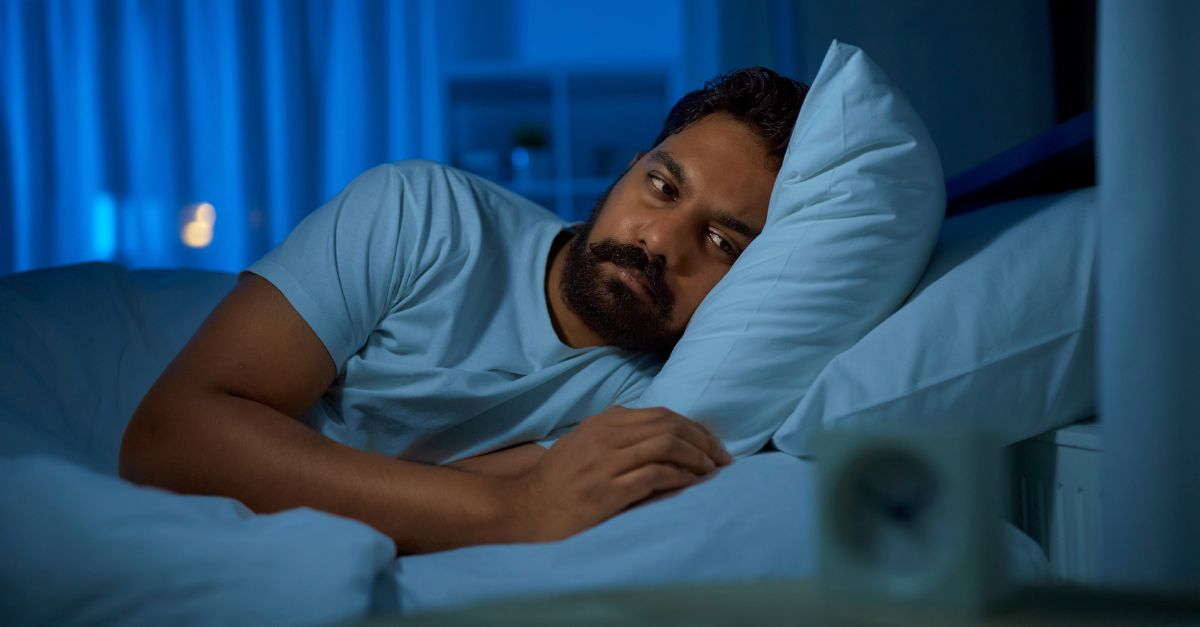


Why Men Struggle to Turn Off Their Brains at Night
Boston-Based | Virtual Therapy for Men Across Massachusetts
You’re Exhausted. But Your Brain Didn’t Get the Memo.
You’ve been running all day. You’ve been neck-deep in meetings, deadlines to meet, family time, and bills, bills, bills. By the time you finally hit the pillow, your body is begging for rest. But your brain is wide awake, replaying the day or running through every possible “what if” about tomorrow.
Sound familiar? You’re not alone. For men, overthinking at night is one of the most common anxiety symptoms. It’s why so many men wake up feeling exhausted even after eight hours in bed… because the brain never shuts off.
Why Men’s Brains Stay “On” at Night
1. Stress Hormones Spike
Cortisol, the stress hormone, naturally rises early in the morning. For men with anxiety, it spikes earlier, jolting the brain awake in the middle of the night.
2. No Distractions = Loud Thoughts
During the day, you’re busy with work, noise, and probably screens. At night, though, all distractions disappear. With nothing to drown them out, anxious thoughts take over.
3. Performance Pressure
High-achieving men are wired to always solve problems. At night, the brain treats “sleep” like another problem to fix, which keeps it from actually happening.
4. Unprocessed Stress
If you push emotions down all day, they’ll resurface at night. Anger, guilt, or shame show up when everything else is quiet.
The Most Common Nighttime Thought Loops in Men

- Replaying conversations: “Why did I say that? What did she mean by that look?”
- Worrying about work: deadlines, presentations, job security
- Financial stress: bills, retirement, your children’s futures
- Family worries: parenting guilt, relationship stress, or partner conflict
- Big-picture questions: “Am I doing enough? What if I fail?”
These are thought loops that legitimately feel urgent at night, even when they don’t in the daylight.
The Cost of an Overactive Brain
- Sleep Loss: Insomnia, 3 AM wakeups, restless nights
- Daytime Fatigue: Caffeine dependence, brain fog, irritability
- Relationships: Short fuse with partner or kids because you’re exhausted
- Health: High blood pressure, weakened immunity, weight changes
- Mental Health: Sleep loss intensifies anxiety and depression, creating a vicious cycle.
Why Men Don’t Talk About It
- Normalization: Men assume “everyone’s stressed” and ignore it
- Stigma: Admitting anxiety feels like weakness
- Quick Fixes: Alcohol, weed, or sleeping pills seem easier than addressing the cause
- Silence: Men often don’t have the language to describe overthinking, so they just call it stress.
Tools Men Can Use to Quiet the Brain at Night
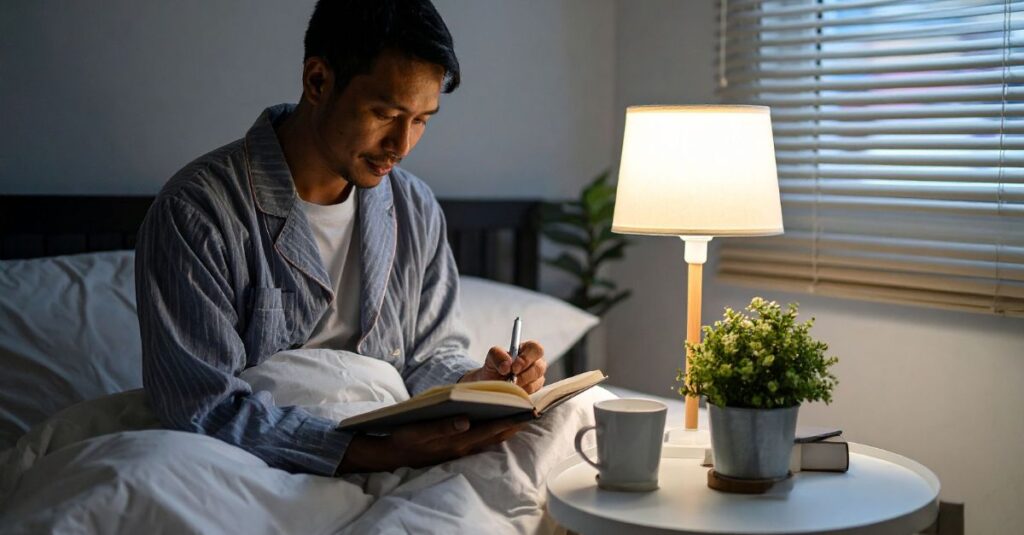
1. The Thought Dump
Keep a notebook by your bed. Write down everything bouncing in your head. Offloading reduces thought looping.
2. Box Breathing
Inhale 4 seconds, hold 4, exhale 4, hold 4. Repeat for 3–5 cycles. This method is proven to calm the nervous system.
3. No Screens Before Bed
Scrolling before sleep signals the brain to stay alert. Cut off screens at least 30 minutes before you want to go to sleep.
4. Grounding Exercise
When thoughts spiral, use 5-4-3-2-1: 5 things you see, 4 things you feel, 3 things you hear, 2 things you smell, 1 thing you taste. It brings you back to the present.
5. Schedule Worry Time
During the day, schedule 15 minutes to list all your worries. Training your brain to “contain” worry reduces nighttime spirals.
6. Counseling
Tools help, but if anxiety is chronic, therapy is the game-changer. Men need a safe, stigma-free space to break overthinking cycles.
How Counseling Helps Men With Nighttime Anxiety
At MisterHealth, we help men across Massachusetts:
- Identify the real triggers behind nighttime overthinking.
- Learn body-based tools to calm the nervous system.
- Break cycles of alcohol, porn, or distractions as sleep aids.
- Reduce shame by framing anxiety as a nervous system issue — not weakness.
- Rebuild energy, focus, and presence through better sleep
Why Men Work With MisterHealth
- Therapy Designed for Men. We know how anxiety shows up differently in men — overthinking, irritability, silence.
- Boston-Based, Statewide Access. Virtual sessions available anywhere in Massachusetts.
- Private & Confidential. Secure, online therapy that fits your schedule.
- Led by Dr. Michael Stokes. Licensed therapist with years of experience helping men manage anxiety and sleep.
Serving Men Across Massachusetts
MisterHealth provides virtual anxiety and sleep counseling statewide:
Boston • Worcester • Springfield • Cambridge • Lowell • Quincy • Brockton • Lynn • New Bedford • Fall River
Office Address (for SEO & mailing):
198 Tremont St, Boston, MA 02116
Sleep Without the Spirals
Picture putting your head on the pillow and actually resting all night. No racing thoughts. No 3 AM thought loops. Just quality sleep that restores your energy and clarity so you can show up fully at work and at home.