

Sleep and Erectile Function: Why Poor Sleep Wrecks Erections
If your erections have started feeling weaker, slower, or unpredictable, it’s natural to look for answers in the usual places.
Most men immediately start investigating testosterone, supplements, medication, porn use, or psychological blocks. While those factors can influence sexual performance, one of the most common causes of erectile problems is often overlooked.
Sleep.
Poor sleep can quietly affect testosterone levels, blood flow, nervous system balance, and sexual confidence. Over time, these changes can make erections feel less reliable, slower to develop, or harder to maintain.
Sleep is when the body repairs the systems that make sexual function possible. Hormones regulate, blood vessels recover, and the nervous system resets from daily stress. When sleep quality declines, those systems struggle to function as they should.
For many men, improving sleep is one of the most effective ways to improve erections naturally.
Does Poor Sleep Cause Erectile Dysfunction?
Yes, poor sleep can contribute significantly to erectile dysfunction.
Erections depend on a combination of hormonal balance, healthy blood flow, and a nervous system that can shift out of stress mode. All three of these systems rely heavily on restorative sleep.
During deep sleep, the body performs several functions essential to sexual health:
- Testosterone production increases
- Blood vessels regain flexibility and responsiveness
- Stress hormones drop
- The nervous system resets
- Sexual responsiveness is restored
When sleep becomes fragmented or consistently shortened, these recovery processes are disrupted. Over time, this can lead to lower libido, slower arousal, and less reliable erections.
Why Morning Erections Matter
Morning erections are often misunderstood. They are not simply caused by sexual dreams or arousal. They are actually one of the body’s natural indicators of sexual health.
Regular morning erections suggest that several systems are working properly:
- Healthy blood circulation
- Proper nerve signaling
- Balanced hormone levels
- A regulated nervous system
When morning erections become weaker or disappear entirely, it often signals that something is interfering with recovery. Poor sleep is one of the most common contributors.
Because sleep is when hormone production and nervous system regulation occur, disrupted sleep often first shows up as changes in morning erections.
How Lack of Sleep Affects Erections
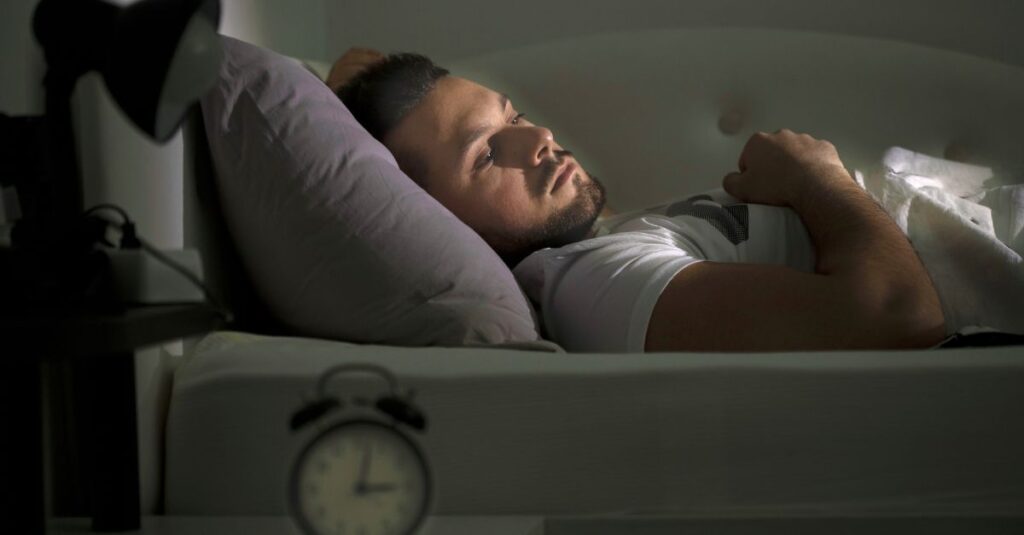
Sleep deprivation disrupts erections through several interconnected pathways. Hormones, blood flow, and emotional regulation all depend on deep and restorative sleep.
Lower Testosterone
A large portion of testosterone production happens during deep sleep and REM cycles, especially in the early morning hours. When sleep is shortened or repeatedly interrupted, testosterone levels can decline.
Lower testosterone may lead to:
- Reduced libido
- Slower arousal
- Lower sexual energy
- Weaker erections
Even healthy men can experience measurable testosterone drops after just one week of restricted sleep.
Nervous System Stress
Erections require relaxation. When the body is well-rested, the nervous system can shift easily between activity and recovery states. Poor sleep disrupts this balance and keeps the body partially stuck in stress mode.
In this state, cortisol remains elevated, and the body prioritizes survival functions over sexual functions.
This is one reason sleep deprivation and sexual performance anxiety often reinforce each other. When the body is tired and stressed, the mind becomes more reactive and prone to overthinking.
Anxiety and mental pressure are well-known contributors to sexual performance difficulties.
Reduced Blood Flow
Healthy erections require strong and responsive blood flow.
Poor sleep increases inflammation and can reduce nitric oxide availability, which helps blood vessels expand during arousal. When blood vessels become less responsive, erections may feel:
- Softer
- Slower to develop
- Harder to maintain
Increased Anxiety and Overthinking
Sleep deprivation makes the brain more reactive and less able to regulate stress. This can lead to increased anxiety and negative thinking.
In sexual situations, this often shows up as:
- Monitoring erections
- Fear of losing firmness
- Overthinking performance
- Difficulty staying present
Instead of focusing on sensation and connection, the mind becomes focused on evaluation. That mental shift alone can interrupt arousal.
Sleep Apnea and Erectile Dysfunction
Some men improve their habits and still struggle with erectile issues. In these cases, the missing piece may be a sleep disorder.
Sleep apnea is strongly linked to erectile dysfunction because it repeatedly disrupts breathing and deep sleep cycles throughout the night.
Sleep apnea can:
- Reduce oxygen levels during sleep
- Interrupt REM cycles
- Increase stress hormones
- Interfere with testosterone production
Common warning signs include:
- Loud snoring
- Waking up tired despite adequate sleep
- Morning headaches
- Daytime brain fog
Many men are unaware they have sleep apnea, and treating it can significantly improve both sleep and sexual function.
How to Improve Sleep for Better Erections
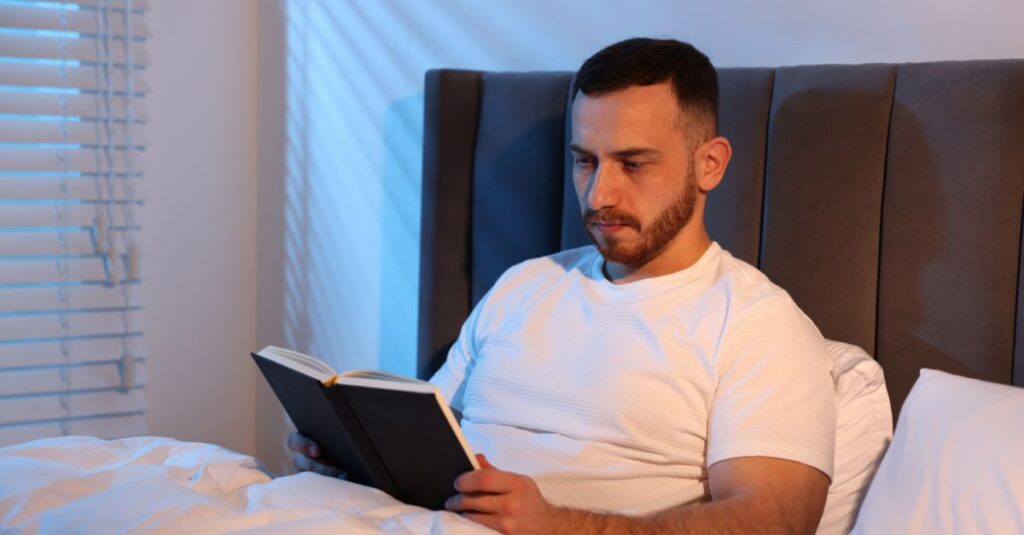
Improving sleep quality often improves erections because it restores the systems that support sexual health. Several habits consistently help.
Reduce Evening Stimulation
The nervous system needs time to shift into recovery mode before sleep. Late-night stimulation can keep the body activated.
Common culprits include:
- Work emails
- Social media scrolling
- Porn use
- Alcohol
- Intense workouts close to bedtime
Reducing stimulation in the hour before bed can significantly improve sleep quality.
Keep a Consistent Sleep Schedule
The body relies on circadian rhythms to regulate hormone production and sleep cycles. Going to bed and waking up at drastically different times can disrupt those rhythms.
Consistency helps stabilize testosterone production and improves sleep depth.
Practice Relaxation Before Bed
Simple relaxation techniques can help the body transition into deeper sleep.
Helpful strategies include:
- Slow breathing exercises
- Mindfulness practices
- Gentle body relaxation techniques
These same skills are also used in sex therapy to help men stay present and reduce anxiety during intimacy.
Can Better Sleep Improve Erectile Dysfunction?
In many cases, yes.
When sleep improves, the body’s recovery systems begin functioning normally again. Over time, this can lead to:
- Improved testosterone balance
- Better blood flow
- Lower stress levels
- More reliable erections
- Increased sexual confidence
For some men, sleep improvement alone can make a significant difference in erectile function.
The Bigger Picture
Sleep, erections, libido, anxiety, and confidence are not separate issues. They are all connected through the same biological systems. When sleep improves, the body recovers. When the body recovers, sexual function often follows.
For men experiencing erectile difficulties, addressing sleep is not a small lifestyle tweak. It can be a foundational step toward restoring sexual health.
Ready to Improve Erections by Fixing the Foundation?
At Mister Health, we help men understand how sleep, stress, anxiety, and nervous system health interact to shape sexual performance.
If erections have become frustrating or unpredictable, the solution is not always another supplement or medication. Sometimes the most powerful change begins by restoring the systems your body depends on.
You don’t need another hack. You need recovery. And sleep is where it starts.