


Erectile Dysfunction Causes Men Ignore (And What Helps)
If you’re struggling with erections, you’ve probably Googled some version of “Why can’t I stay hard?” and landed on a pile of articles telling you it’s either age, testosterone, or “just stress.”
That advice is incomplete.
The truth is, erectile dysfunction (ED) is rarely caused by one thing, and many of the most common contributors are completely ignored in mainstream conversations about men’s sexual health.
At Mister Health, we work with men across the country who are healthy, intelligent, motivated, and frustrated by sexual performance issues that don’t make sense on paper.
Here’s what most men aren’t told:
ED is often a signal, not a failure. And the signal is usually coming from your nervous system, lifestyle, or mental load… not just your penis.
Let’s break down the most overlooked causes of erectile dysfunction, why they matter, and what actually helps men restore confidence and sexual function without shame, pressure, or guesswork.
ED Is More Common Than You Think
ED affects millions of men across all age groups, not just men over 50. Yet many men put off getting help because they believe:
- “This shouldn’t be happening to me.”
- “I should be able to fix this myself.”
- “If I talk about it, it means something’s really wrong.”
Keeping it bottled up only makes the problem worse.
Experiencing ED doesn’t mean you’re broken or any less of a man. It means something in the system is off, and sometimes systems need recalibration.
The Most Overlooked Causes of Erectile Dysfunction
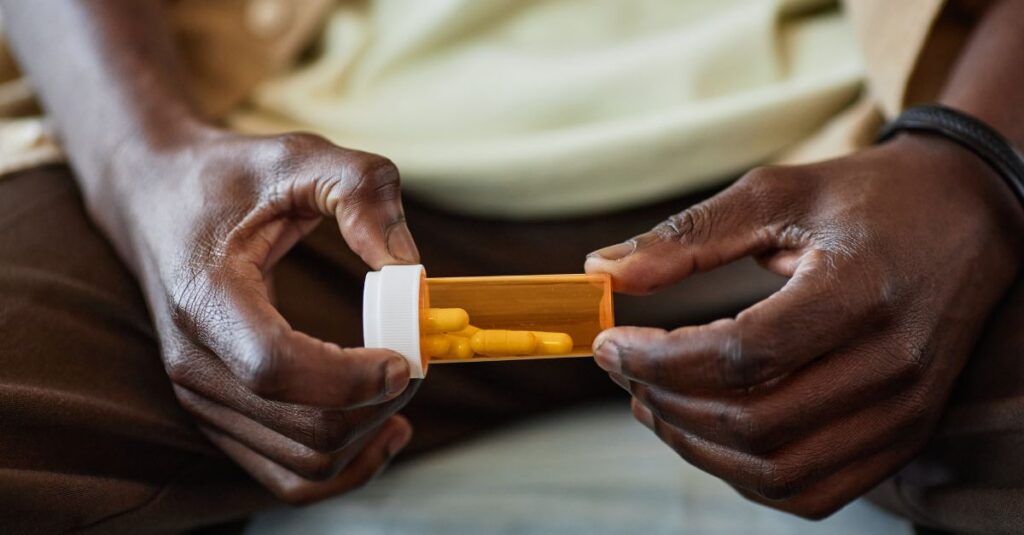
Let’s talk about what actually contributes to ED, and why these factors are so often missed.
1. Chronic Stress and a Dysregulated Nervous System
This is the big one. Stress doesn’t just live in your head… it lives in your body. When stress becomes chronic:
- Cortisol stays elevated
- Blood flow shifts away from the genitals
- Muscle tension increases
- Breathing becomes shallow
- Erections become unreliable
Your body cannot prioritize sexual arousal when it’s stuck in survival mode. This is why many men can get erections alone but struggle with a partner. The presence of a partner can trigger performance pressure and fear of getting it wrong.
2. Performance Anxiety (Even If You Don’t Call It That)
Remember, performance anxiety and “being nervous” aren’t the same. Anxiety is a learned fear response that develops after:
- One difficult sexual experience
- A critical comment from a partner
- Pressure to perform
- A belief that erections equal worth
Once anxiety enters the bedroom, the brain starts monitoring instead of sensing.
Men often report:
- Losing erections mid-sex
- Being hyper-aware of firmness
- Mentally checking out
- Feeling disconnected from pleasure
An anxious body doesn’t respond predictably, and trying harder only reinforces the cycle.
3. Sleep Problems and Fatigue
Sleep is one of the most underrated contributors to erectile health. Because poor sleep affects:
- Testosterone production
- Blood vessel health
- Mood regulation
- Stress tolerance
Men who are sleep-deprived often experience:
- Reduced morning erections
- Lower desire
- Slower arousal
- Increased anxiety during sex
ED isn’t always about your level of desire. More importantly, it’s centered around your capacity.
4. Medications That Quietly Impact Erections
Many men are never warned that common medications can affect sexual function. These may include:
- Antidepressants
- Blood pressure medications
- Anxiety medications
- Certain sleep aids
The problem isn’t necessarily the medication but the lack of conversation around it. Men often stop meds abruptly out of frustration or assume ED is “just how it is now.” Neither is helpful. A collaborative conversation with your provider can often lead to adjustments that support both mental health and sexual function.
5. Alcohol Use (Even Moderate Drinking)
Alcohol lowers inhibitions… but it also dulls arousal and interferes with important nerve signaling. For many men:
- One drink relaxes
- Two drinks blur sensations
- Three drinks kill erections
Alcohol can also become a crutch used to reduce anxiety, while quietly worsening erectile reliability over time. If erections feel unpredictable, alcohol deserves an honest look.
6. Porn Conditioning and Arousal Patterns
Porn isn’t automatically harmful, but it can condition arousal in ways men don’t expect. High-stimulation content trains the brain to expect:
- Intensity
- Novelty
- Control
- Instant gratification
Partnered sex is slower, less predictable, and more emotionally complex. When the brain struggles to transition between these experiences, erections can falter. Not because of desire, but because the arousal pathways need recalibration.
7. Disconnection From the Body
Many men live almost entirely from the neck up. They’re great thinkers, planners, and problem-solvers… but sex doesn’t respond to thinking. Erections require:
- Sensation
- Presence
- Relaxation
- Awareness of the body
Men who rush, tense, or mentally evaluate during sex often feel disconnected from arousal even when desire is present. This is a mind-body disconnect.
What Actually Helps Erectile Dysfunction (Beyond Pills)

Medication can be helpful, but it’s not the whole solution. The most effective approaches address the system, not just the symptom.
1. Regulating the Nervous System
Learning how to:
- Slow breathing
- Reduce baseline stress
- Shift out of threat mode
This creates the internal conditions for erections to occur naturally.
2. Reducing Performance Pressure
When sex isn’t about:
- Staying hard
- Lasting a certain time
- Proving something
The body responds more freely. This often requires reframing what “good sex” actually means.
3. Rebuilding Trust With the Body
Confidence isn’t forced. It’s built through repeated experiences of safety and presence. That means:
- Slowing down
- Letting erections fluctuate
- Staying connected to sensation rather than outcome
4. Addressing Shame Directly
Many men carry beliefs like:
- “I shouldn’t be dealing with this.”
- “I’m failing.”
- “Something is wrong with me.”
Shame keeps the nervous system on edge. Compassion calms it.
When to Seek Professional Support
If ED is:
- Persistent
- Creating anxiety or avoidance
- Affecting your relationship or self-esteem
- Leading to isolation or shame
That’s not a personal failure. That’s a signal for support. Sex therapy helps men:
- Understand what’s actually happening
- Learn body-based tools that work
- Restore confidence without pressure
- Communicate with partners more openly
The Bottom Line
Erectile dysfunction isn’t a verdict on your masculinity, desire, or worth… It’s information. And when you listen to what your body is communicating, rather than fighting it, you give yourself the best chance to heal.
You don’t need more willpower. You don’t need to “just relax.” You don’t need to go through this alone. You need clarity, compassion, and the right kind of support.
Take the Next Step
If ED or performance anxiety is affecting your life, Mister Health offers sex-positive, evidence-based support for men nationwide.
Your body is asking for something different.